ngtrak.
HomeStatesCompareAbout
Upload Data
ngtrak.
HomeStatesCompareAboutUpload Data

Civic Transparency

ngtrak.

Empowering Nigerians with transparent, accessible budget data for all 36 states and the FCT. Data sourced strictly from official state budget documents, open treasury, and OAGF.

Explore

  • All States
  • Compare States
  • About Us
  • Contribute Data

Regions

  • South-West
  • South-East
  • South-South
  • North-West
  • North-East
  • North-Central

© 2026 ngtrak. Data for the public.

Twitter (X)GitHub
Akwa Ibom State State
All States
South-SouthCap: Uyo

Akwa Ibom State .

Governor Umo Eno
Pop. ~5.5M
PortalWebsite
Total 2024 Budget
₦620,000,000,000

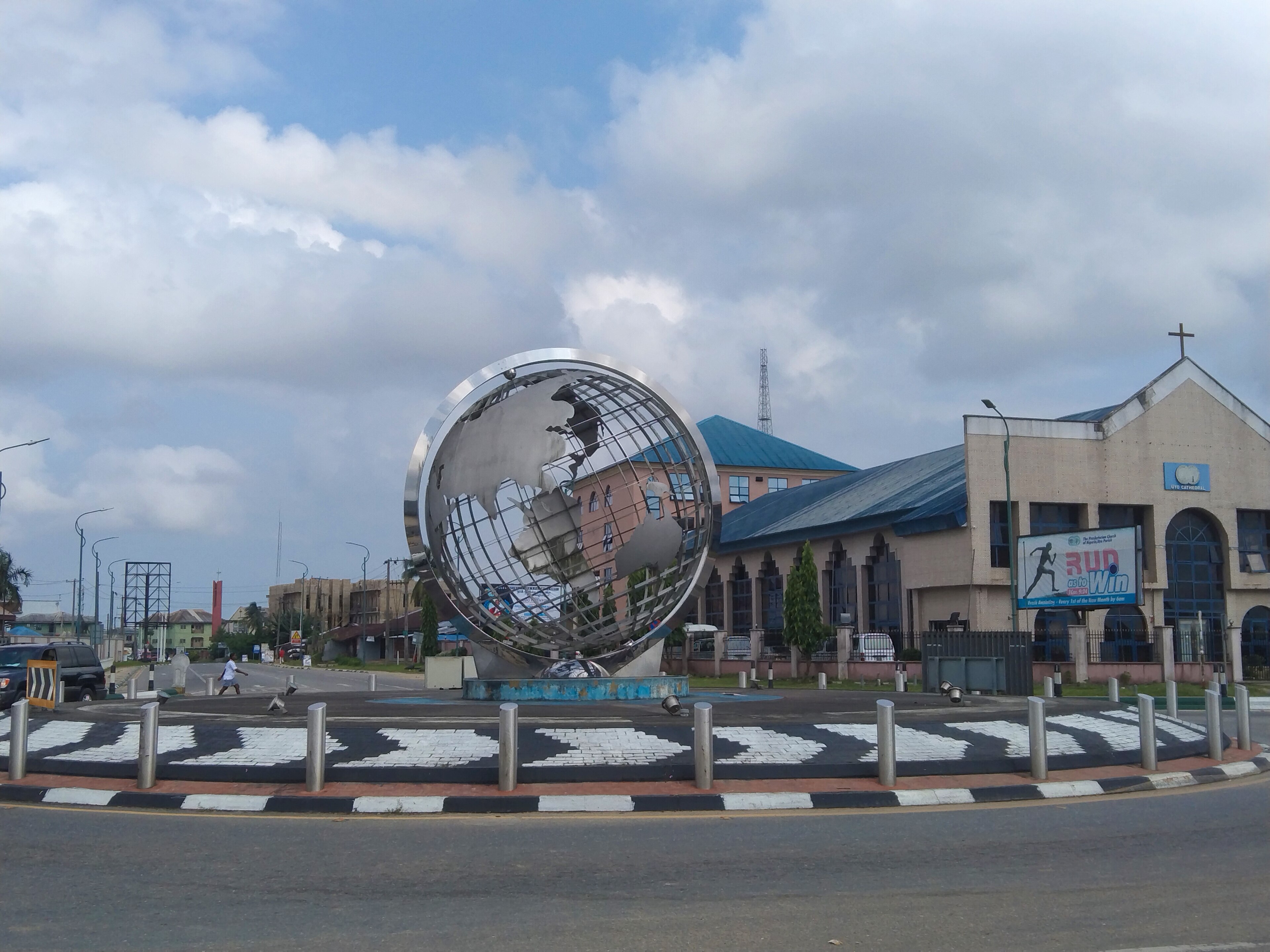
Akwa Ibom is the highest oil-producing state in Nigeria, contributing over 30% of the nation's total crude oil output. Uyo, its capital, has been transformed into a modern city with world-class infrastructure. The state also has a vibrant tourism sector anchored by the Ibom Tropicana Entertainment Centre.

Metrics Overview

Capital Exp.
₦355,000,000,000
57% of total
Recurrent Exp.
₦265,000,000,000
43% of total
Total Revenue
₦620,000,000,000
Estimated income
Fiscal Balance
Balanced
Matched

Breakdowns

Infrastructure
₦158.0B25.5%
Education
₦140.0B22.6%
Health
₦110.0B17.7%
Agriculture
₦48.0B7.7%
Security
₦22.0B3.5%

Budget Insights

Key observations from Akwa Ibom State State's 2024 budget

Overview

Akwa Ibom State State's total budget for 2024 is ₦620.00 Billion. This budget is perfectly balanced.

Expenditure Focus

The largest single sector allocation is infrastructure, receiving ₦158.00 Billion. This accounts for 25.5% of the total budget.

Revenue Dependency

The primary source of revenue is faac, contributing ₦410.00 Billion. This represents 66.1% of the total expected revenue.

Glossary

Common budget terms explained

IGR

Internally Generated Revenue. Money collected by the state internally (taxes, fines).

FAAC

Federation Account Allocation Committee. Funds distributed from the federal government.

Capital Exp.

Money spent on long-term physical assets like roads, schools, and hospitals.

Recurrent Exp.

Money spent on day-to-day operations like salaries and overhead costs.

Deficit

When a state plans to spend more money than it expects to collect in revenue.